
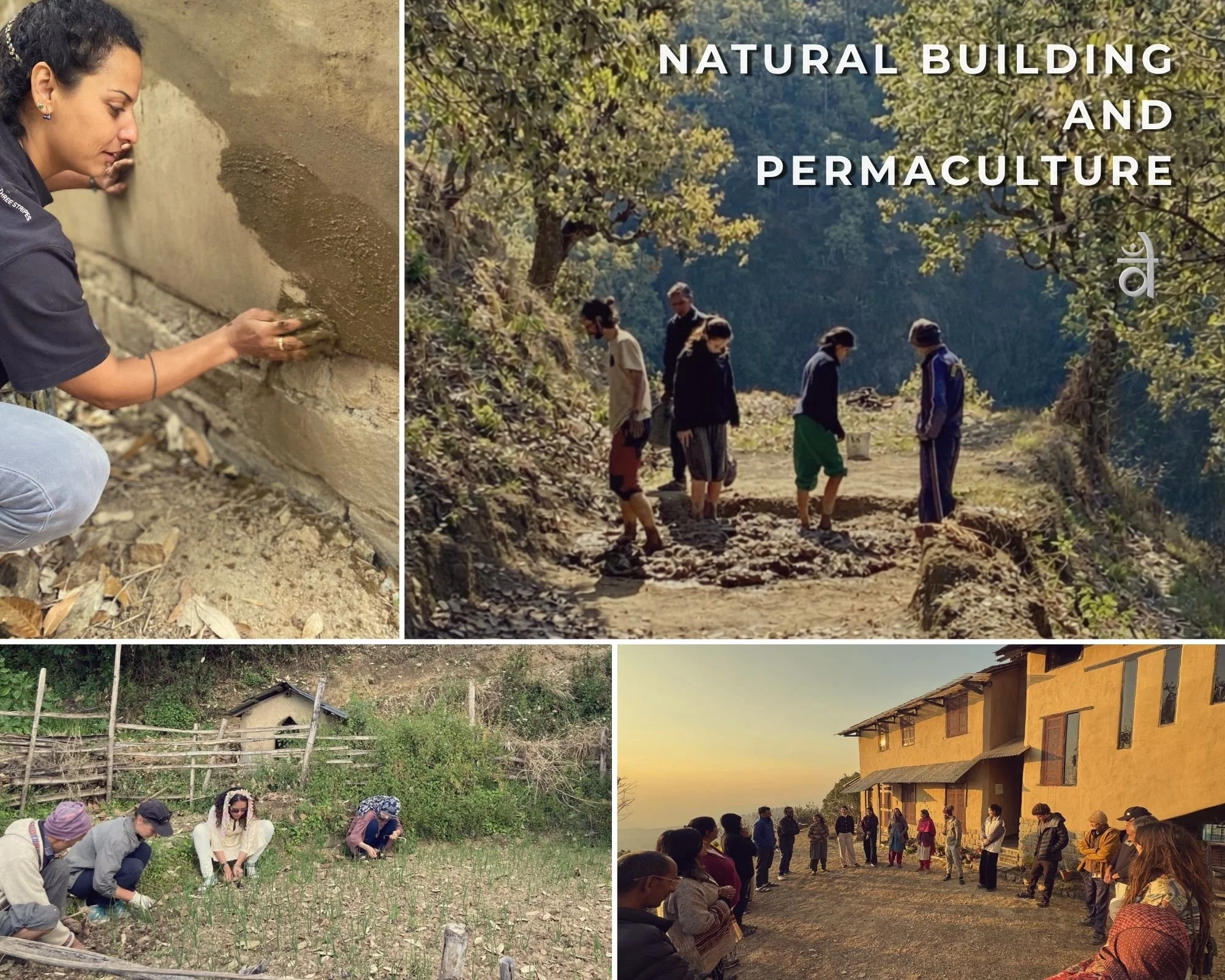

One week residential Natural Building & Permaculture training focused on eco construction, regenerative design, sustainable living skills, and experiential learning, all in a supportive community atmosphere.
Overview
Programme type: Residential introductory workshop
Topic: Natural building, organic gardening, permaculture landscaping, and more
Dates: 1 June to 6 June
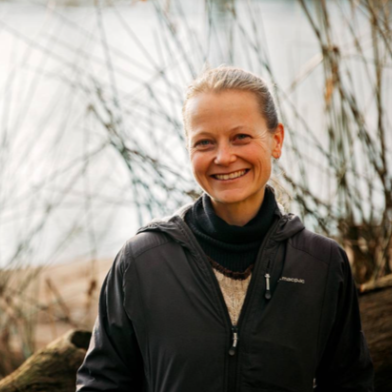
Facilitators: Robyn Hewson, Ar.Parul Sharma, assisted by Dharmalaya Institute staff and volunteers, plus periodic online sessions with Dharmalaya cofounders Mark & Mai-Linh
Language: English (plus some site work in Hindi) with translation if needed
Looking for a deeper experience? Explore our One-Month Immersive Programme.
About the Workshop
This one week workshop is designed as a hands-on introduction to natural building and permaculture living. It is ideal for beginners, students, and anyone curious about working with earth-based materials and sustainable systems.
Participants will explore the fundamentals of mud architecture, adobe construction, and basic permaculture practices, while actively engaging in building processes and land-based learning.
This course requires the full participation of your body engaging all your senses, your curiosity and openness to experimentation. Participants engage directly with the land through mud construction, ecological design, water harvesting and soil regeneration, and climate-responsive building practices.
This beginner-friendly workshop introduces natural building and permaculture through hands-on practice, group learning, and simple, practical experiences of sustainable living.
Dharmalaya is a place founded on contemplative practice and service of the whole; learning is both a personal journey and communal experience.
Compassionate living: The practice of compassionate living touches all aspects of life: food, shelter, health, work, relationships, and more. We’ll make a holistic study of all of these areas and explore ways we can empower ourselves to minimise our harm footprints and optimise our help footprints.
Sustainability solutions: From hands-on natural building and organic gardening work to the vast and deep concepts of permaculture, voluntary simplicity, and more.
Contemplative work: We will explore various forms of work on sustainability-related projects from a contemplative perspective; meaning how do we tune into the most sensitive, receptive, and creative parts of ourselves and use the processes of building, landscaping, gardening, etc. to deepen our intimate relationship with nature and with ourselves.
Community, communication and collaboration: Living in community is a great opportunity to learn about ourselves and others, and to refine our skills for living, learning, and working together in harmony. (These skills last a lifetime!)
Social issues and ways to work with them: A Himalayan village is a fertile setting for intersectional exploration of social issues including caste, gender, socioeconomic factors, and more. In the process, you'll gain insight into the lives of rural Himalayan villagers, including both their wisdom and their struggles, and insight into yourself as well.
Holistic health and well-being: Cultivate a balanced lifestyle with daily yoga, silent meditation, wholesome plant-based cooking, and a nourishing rhythm of work, reflection, and rest.
Programme Vision
This programme offers an introduction to the interconnected wisdom of land and shelter, exploring relationships between ourselves and the ecosystems we inhabit, as well as between shelter, landscape, soil, water, and climate.
Participants will be guided to see built environments as part of a larger ecological and cultural context; developing a sensitivity to place, materials, and natural systems. The workshop introduces the foundations of designing low-energy, breathable, and climate-responsive spaces rooted in local ecology.
Working alongside local artisans, participants will engage in hands-on natural building using materials such as earth, sand, straw, bamboo, and stone. Through practical sessions, they will gain introductory experience in techniques that support healthy indoor environments and reduce environmental impact.
The programme also offers a foundational exposure to permaculture principles, connecting architecture with ecological thinking. Through observation and small-scale activities on campus, participants will begin to understand patterns in nature, resource cycles, and regenerative approaches to land and design.
Campus life and the experience of living in community
Most of our past long-term participants tell us that experience of being a part of the Dharmalaya community, living and working together, is one of the best parts of the experience for them. We emphasize a culture of kindness and cooperation rather than selfishness and competition, and it’s great to live with kindred spirits in that kind of environment.
As wonderful as this community experience can be, though, it can also be one of the more challenging aspects of a residential programme, because when we live together closely with other people for a long time, eventually misunderstandings and other issues come up. This is actually a truly great opportunity if one embraces these experiences with a humble and sincere attitude, looking honestly at ourselves, wanting to learn and grow (instead of just wanting to be ‘right’). Dharmalaya maintains an environment in which everyone is supported to learn and grow in this way, and this kind of learning truly changes lives for the better, because few lessons are more valuable than those that help us understand ourselves and others better and learn to relate with others more sensitively and skilfully.
So one thing to understand is that learning to be a healthy part of a healthy community is one of the most important aspects of all of our residential programmes, and of compassionate living more generally, so that kind of inner work and social evolution should be something that appeals to you strongly if you’re thinking of applying for this programme. We’ll be spending time talking about it and asking you to self-reflect, journal, and share with others about your experiences, which benefits everyone.
Who is this programme for?
This programme is designed not only to transfer practical skills, but also to shift perception from extractive construction and agriculture toward regenerative, place-based living.
It is ideal for:
Beginners curious about natural building and sustainable living
Individuals exploring permaculture and eco-friendly lifestyles
Students and young professionals interested in hands-on learning
Architects, designers, and educators looking for practical exposure
Farmers and gardening enthusiasts exploring regenerative practices
Anyone wanting to experience building with earth and working close to nature
No prior experience is required; just curiosity, openness, and a willingness to learn through hands-on participation.
What to expect
Two of the keys to happiness are: (1) to have realistic expectations to begin with; and (2) not to be too attached to those expectations, but rather to stay flexible as life unfolds. So, with that in mind, here are some of the things participants should expect (while remembering to keep a flexible attitude):
Natural simplicity: Rustic accommodations in natural earthen buildings or comfortable tents in a beautiful forest setting.
Plenty of physical work: Most of the work to be done is physical, and some of it requires physical endurance, so it’s best to be prepared both physically and psychologically for a lot of hard work. One key to happiness here is to keep a very positive and enthusiastic attitude about the work, knowing that you’re making the world a better place in a small way, which makes it a joy.
Supportive routine: A daily rhythm of contemplative practice, outdoor activities, discussions, and silent meditation time.
Yogic lifestyle: Clean and simple ashram-style lifestyle in which everyone contributes to the running of the place, including cleaning, washing dishes, etc.
Healthy food: Natural and mostly organic, purely vegetarian meals (100% plant-based, vegan). No junk food or packaged snacks, etc.
Digital detox: There will be no use of mobile phones or internet from 9-5 or during evening sessions so that everyone stays focused on the group tasks, and present with one another, and with our own experience. For those who are normally glued to your phones, it may take some adjustment at first but soon you’ll be amazed how much better you feel engaging with nature and good work with good people rather than the screen.
Learning Outcomes
By the end of the program, participants will:
Introduction to natural building materials (mud, adobe, cob)
Basics of earth plasters & finishes
Understanding climate-responsive design
Introduction to permaculture principles
Hands-on activities:
Mud mixing & wall building
Preparing garden beds
Soil and water awareness
Schedules & dates
Schedule: Start and end dates
The programme will begin at 10:00am on Day 1. All newly arriving participants will be required to arrive sometime between 9:30am and 10:00am on Day 1 itself (we will provide detailed timing, instructions, and travel tips after confirming your registration).
The programme will conclude on Saturday evening and participants can plan to depart by Saturday evening or Sunday morning.
Daily Rhythm
This program is physically engaging and deeply immersive. Learning happens through doing, observing, reflecting, and collaborating.
8:00 Breakfast
9:00 Theory session
12:30 Lunch
1:30 Outdoor session / Farms hands-on
6:00 Dinner
7:00 Community Circle
9:30 Silence time/Lights out/Rest
The rhythm of the program encourages us to experience sustainable living as a daily practice rather than an abstract concept.
Programme fees
Dharmalaya Institute is a not-for-profit charitable and educational organisation, and as such seeks to make its programmes accessible for everyone. Recognising that our participants come from diverse backgrounds, we are providing a sliding scale with three tiers, to make it possible for each participant to give according to their means.
Total fees for this course (inclusive of shared accommodation, three healthy meals daily, and tea), at each of the three tiers are as follows:
Standard rate
(For most participants)
Rs 17,500
For transparency: this rate is essentially a break-even rate, just enough to cover the Institute’s costs in providing this volunteer opportunity.
Subsidized rate
(For low-income participants unable to pay the standard rate)
Rs 11,900
For transparency: this rate is below our break-even rate, which means it is not quite enough to cover the Institute’s costs in providing the volunteer opportunity, but that shortfall is covered by participants who choose to pay the ‘Supporter rate’ below.
Supporter rate
(For those who can afford to help subsidize low-income participants)
Rs. 22,900
For transparency: This supporter rate is slightly above the break-even rate, and 100% of that surplus will be used to support lower-income applicants to participate at the subsidized rate. We thank you sincerely for your generosity in choosing this rate if you can.
We do not want cost to be a barrier to anyone’s participation, so if you have exceptional financial hardship and cannot afford even the lowest subsidised rate, you can contact us to let us know your situation and your needs and, depending on circumstances, we may be able to work out a work-study discount in exchange for taking on extra responsibilities.
Note that advance deposit of at least 50% is required to secure one’s place in the programme and deposits are non-refundable because the funds received before the program will be spent on food provisions and supplies well before the programme begins.
EXTEND YOUR STAY AND DEEPEN YOUR PRACTICE
Participants who wish to deepen their learning may have the option to continue beyond the initial programme by joining the extended immersive course or staying on as a volunteer, subject to availability and acceptance. Discounted rates may apply for long-term stays.
Important information
Before you pack for your trip to Dharmalaya Institute, please read the important information on our Visitor Info page. If you have a specific question about the program, contact us and we’ll be happy to answer.
NOTE FOR THOSE SEEKING CERTIFICATES: This is not a certificate course. No certificate or letter will be provided (no exceptions).
About the instructors


Application process
A Note for Applicants
Before completing this form, we invite you to spend some time exploring the Dharmalaya website and reading the program details thoroughly. Dharmalaya is a living learning community, and understanding our values, culture, and guidelines is important before applying.
The application process will be more selective than usual, to make sure we find the applicants who are truly best matched with the programme.
STEP 1 — APPLY: Submit the application form here on our website and wait for our reply. We may email you to ask follow-up questions if necessary.
STEP 2 — INTERVIEW: If your application is selected for the shortlist, the next step will be for us to schedule a time to do an interview on a video call. During this interview, you’ll have the chance to ask whatever questions may be on your mind, and we’ll have a chance to get to know you a bit better. If necessary, there might be a second video interview for final candidates.
STEP 3 — ACCEPTANCE & DEPOSIT: If you are selected for the programme after your video interview, then at that time we will send you more detailed information about the programme and how to prepare for your time at Dharmalaya Institute. You will then have one week from the date of acceptance to make your nonrefundable deposit to hold your place in the programme. The minimum deposit is 50%, but it is also possible to prepay in full.
We look forward to connecting with you!