
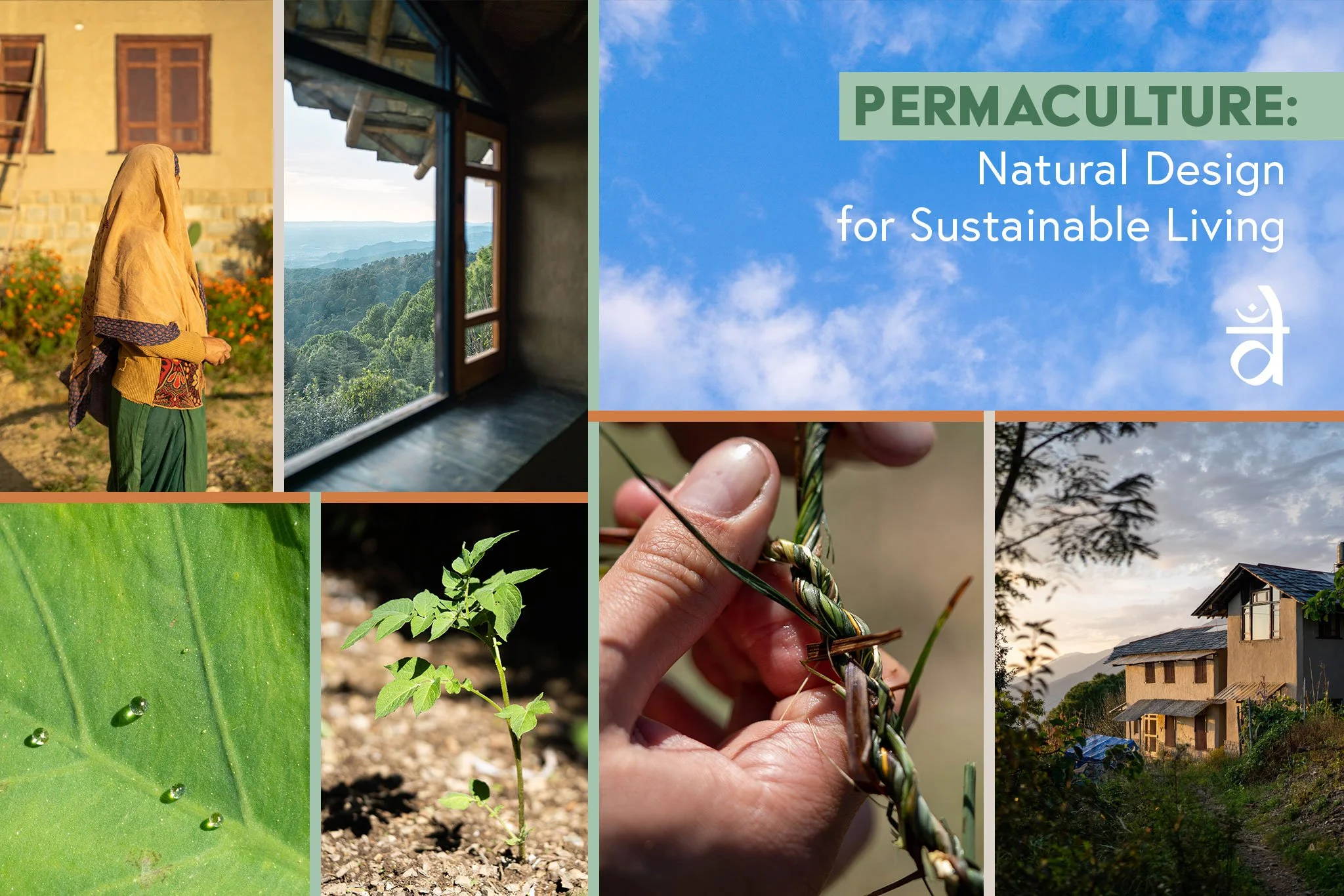

A five week immersive residential programme the foundations of Permaculture design thinking with a contemplative approach.
Note that this course fulfills a pre-requisite for the Dharmalaya Permaculture Internship.
Overview
Dates: 14 September – 14 October
Duration: 4+ weeks (with possibility of staying on longer as part of Dharmalaya’s Permaculture Internship programme or as a volunteer)
Topic: Permaculture Foundations
Location: Dharmalaya Institute, Bir, India
Course type: Immersive residential (with the option of some online sessions as well)
Facilitators: Robyn Hewson, assisted by Dharmalaya Institute staff and volunteers, and guest/sessional facilitators, plus periodic remote (Zoom) sessions with Dharmalaya cofounders Mark & Mai-Linh
Cost: Sliding scale (see below)
Building a Better World? Yes, this programme qualifies as a module within the Building a Better World course and earns credit toward the completion of that course.
Course synopsis
You are invited to join us at the beautiful Dharmalaya Institute eco-campus for a five-week immersive residential programme to explore how Permaculture thinking can open us to a deeper understanding of the world around and within us, and empower us to work in ecological and sustainable ways toward building the world we want to see.
The course will cover foundational elements of permaculture thinking, design and pattern understanding, as well as soil health, water harvesting and productive systems.
However, please note that this is not a Permaculture Design Certificate course. The course has a strong focus on participatory and experiential learning, and understanding a way of thinking and seeing that brings us into greater harmony with the world around us. While you will learn techniques appropriate to climate and place, this is secondary to developing an understanding of what, why and how certain techniques may be applicable within different contexts.
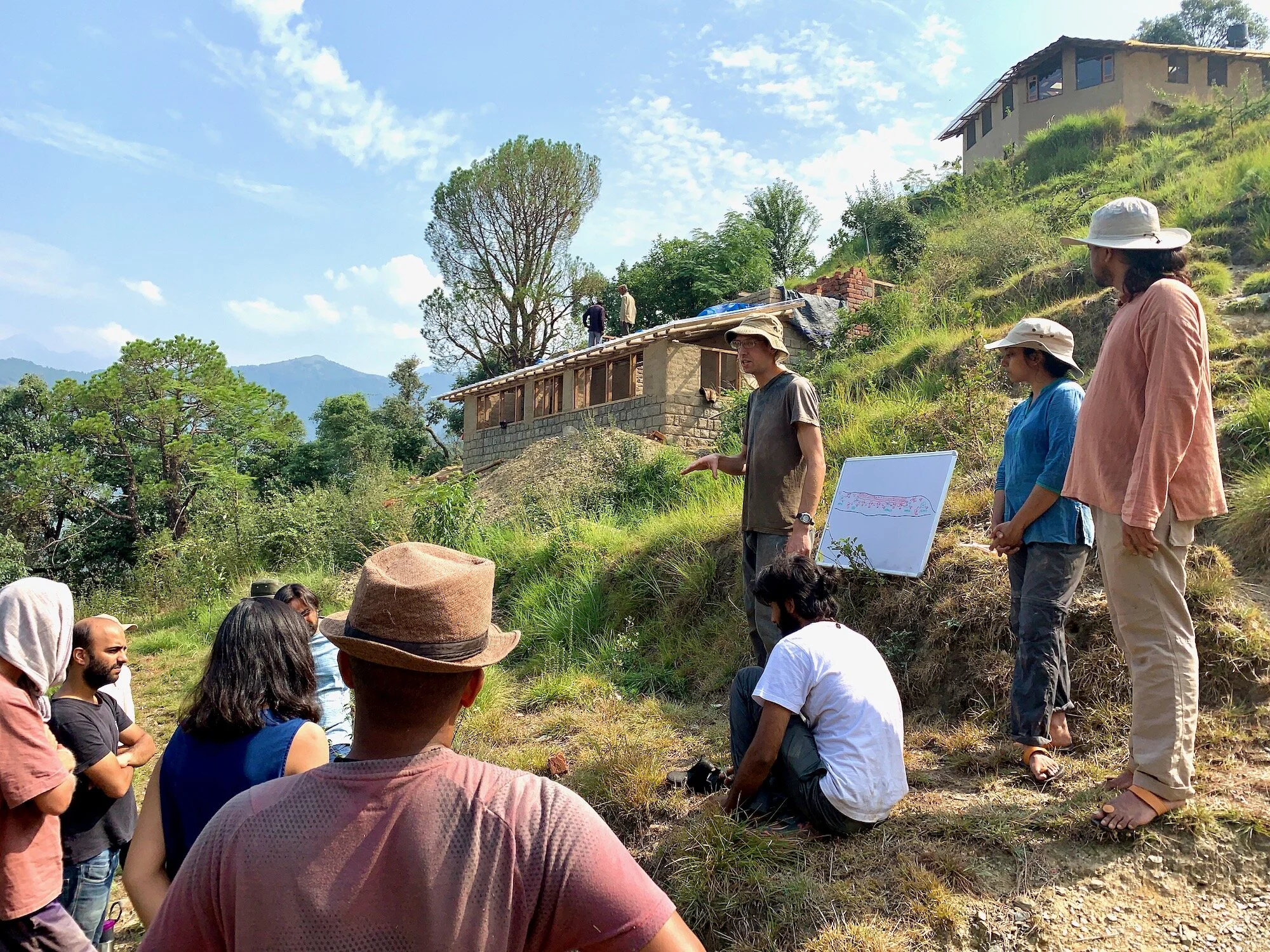
You will be engaged in the ongoing care of the Dharmalaya campus as part of building a relationship to place, a sense of presence and interaction with the landscape. A large part of the learning comes through observation and enquiry rather than didactic teaching.
What is Permaculture?
Permaculture is a design practice grounded in the ethics of ‘earth care, people care and fair share’. Drawing on traditional knowledge and sustainable systems of living from many different climates and cultures, it seeks to understand and work with the natural patterns that shape landscapes and the activities of the living beings within them, in all their diversity.
The Permaculture approach seeks ways for us to live sustainably within our environment, taking responsibility for our own actions and their impact, recognising the interconnectedness of everyone and everything in nature — as living systems within larger living systems. It prompts us to design our homes, our gardens, our communities and ourselves with intention; in such a way that these whole systems, as well as the individual elements within them, thrive and flourish.
‘Permaculture is a philosophy of working with, rather than against nature; of protracted and thoughtful observation rather than protracted and thoughtless labour; and of looking at plants and animals in all their functions, rather than treating any area as a single product system.’
— Bill Mollison
In short, Permaculture design thinking requires us to quieten ourselves and open up to the art of listening and being within the landscape; to understand the context of place, climate, and culture; to explore insightful and creative solutions for greater health, ecological sensitivity, and harmony between all living things; and to take responsibility for our own existence, within the context of our broader community and ecosystem.

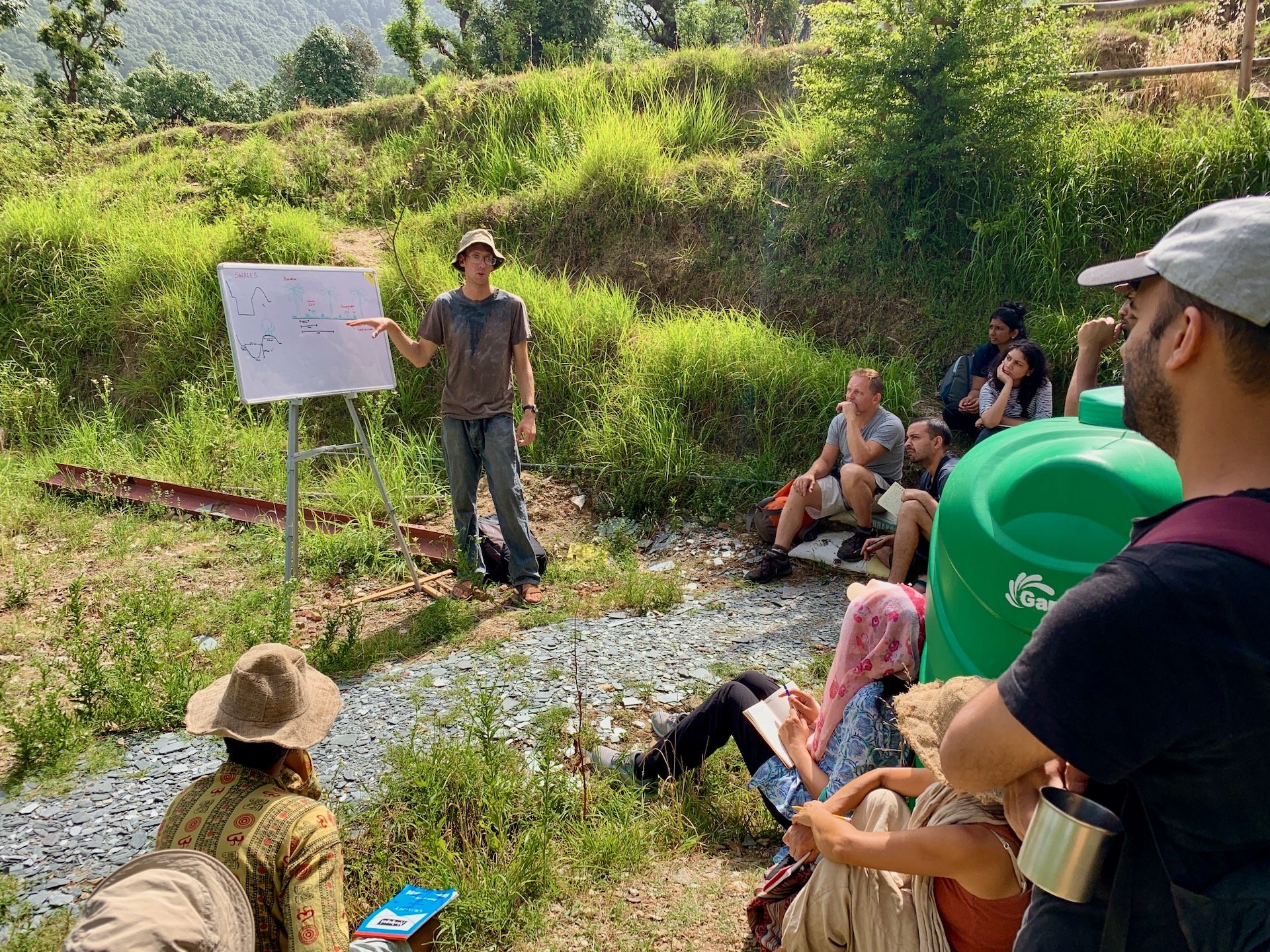
Primary topics & activities
Understanding ourselves in relation to the whole: Getting to know ourselves in relation to the world around us, and revealing the unique contributions that we have to make in support of flourishing communities and ecosystems.
Observation of nature inside and out: Finding the stillness within ourselves, and engaging all our senses as we interact with the world around us; learning to listen; becoming sensitive to natural patterns and cycles; observing the impact of our own actions; and understanding nature as mother and teacher.
Introduction to the foundational principles and concepts of Permaculture: Understanding core concepts and the ethics of permaculture, as well as methods for design and pattern understanding.
Ecosystem functions: Exploring water cycles and water harvesting; healthy living soils; trees and their vital roles in our ecosystem. Understanding the dynamics of climate and context and how these influence our designs.
Design thinking: Participants will have the opportunity to practice their permaculture design thinking in real world contexts.
Learning through doing: To work with living systems we need to build a relationship of understanding and reciprocity. This course is about learning to understand the landscape and context that we are working with, in order to design in a way that is sensitive to the place and the community it supports.
Programme structure
The general flow of the programme is as follows:
Week one: Introduction to place and the Dharmalaya community, presence, permaculture thinking, pattern understanding and practice.
Week two: Permaculture design methods, site and sector analysis
Week three: Water in the landscape, water harvesting systems and grey water management.
Week four: Structures, natural building and passive design; trees and their energy transactions.
Week five: Productive systems; plant, animal and human communities.
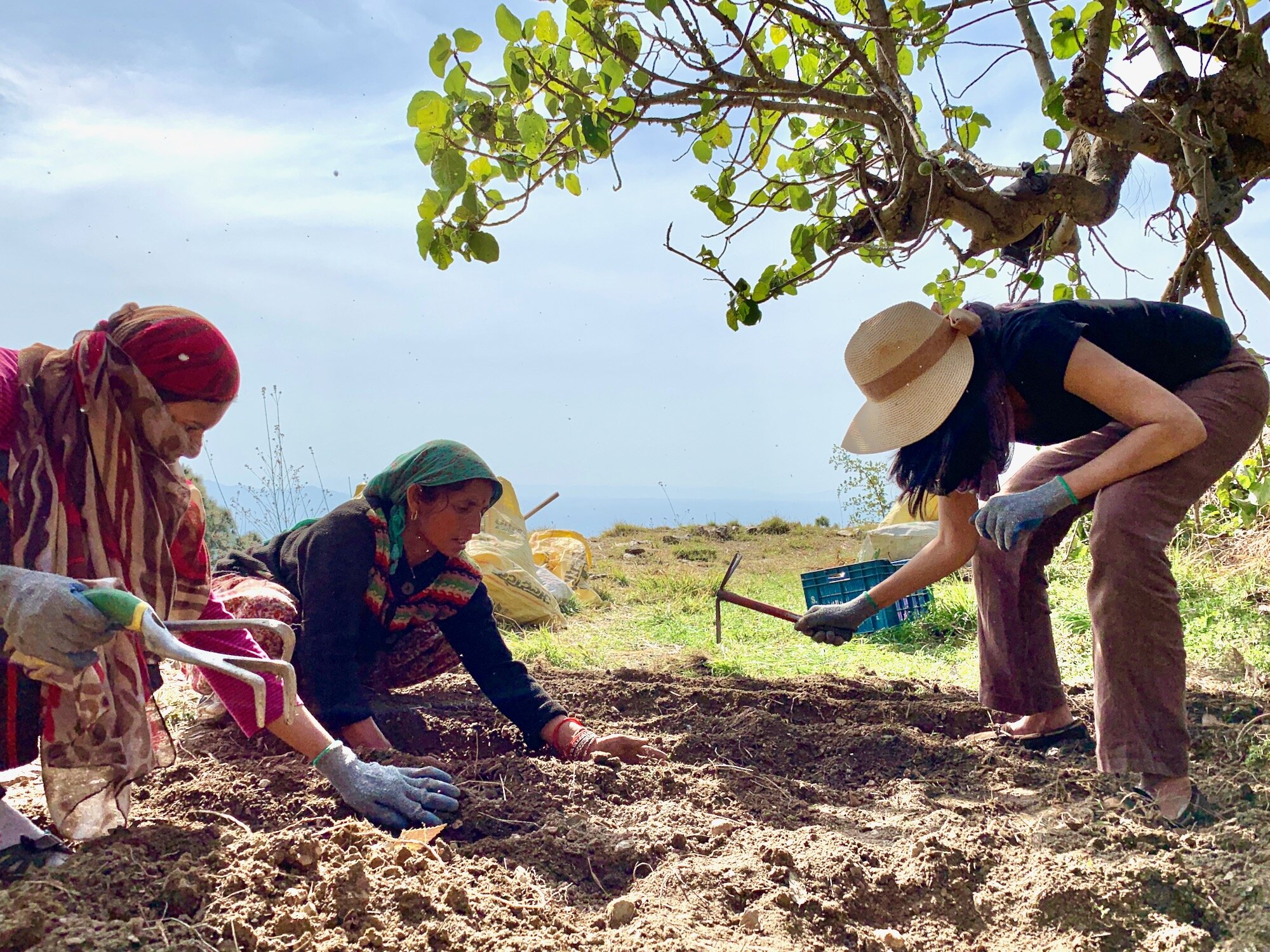
Alongside programme learning, there will be a daily programme of outdoor work on campus, including gardening, composting, adobe brick making and natural plastering, fire prevention management and so on. This is a fundamental part of being in the landscape, of coming into relationship with place and putting principles into practice.
There will also be a strong focus on personal and community work; people care is one of the three permaculture ethics, and is a critical element in designing for sustainability.
Who is this programme for?
This programme is open to anyone wishing to:
Participate in the Dharmalaya Permaculture Internship programme. (although this course can also be taken as a stand-alone programme).
Ground your understanding in core concepts of permaculture thinking and design.
Become more attuned to, and aware of, the patterns of the landscape and how these can communicate the health and capabilities of ecosystem functions.
Engage in participatory learning and enquiry - learn through observation, doing, and service: using the opportunity of physical work to develop a sense of presence and curiosity about the surrounding landscape, and how to best work in support of the land and all the beings within it.
Be a part of a community of kindred spirits collaborating in service.
Reflect honestly on your outer and inner life, with the intention to learn and grow.
Experience well-being through simple, healthy living and daily contemplative practice in an ashram-style environment, minimising the use of phones and digital appliances.
Participate fully in the programme and the community, including attending all sessions (six days per week) and remaining safely within our Himalayan eco-campus during the evenings and nights.
What to expect
Two of the keys to happiness are: (1) to have realistic expectations to begin with; and (2) not to be too attached to those expectations, but rather to stay flexible as life unfolds. With that in mind, here are some of the things participants should expect (while remembering to keep a flexible attitude):
Programme focus: This programme is called ‘immersive’ because the point is to spend most of our time focused on the learning and experiences of the programme. While there will be some time for rest, reading/journaling, and personal reflection, there won’t be much time for pursuing other activities unrelated to the programme. While you’re here, the expectation is that most of your attention will be focused on the programme experience from start to finish.
Collaborative project work: This course will require working in groups – with people of various backgrounds, skills and experience – in order to complete various tasks and projects. This can be challenging, but incredibly rewarding when we are able to integrate and fully harness the diverse strengths and different perspectives that people bring to the group.
Outdoor work and physical labour: Participants will be spending time outdoors doing physical work in support of their learning and the ongoing management of the campus. This has many benefits – it helps you to become more in-tune with your own body as well as the environment you are living in; it builds physical fitness and health; and learning becomes embodied.
Supportive routine: A daily rhythm of contemplative practice, outdoor activities, discussions, and silent meditation time.
Natural simplicity: Rustic accommodation in natural earthen buildings or comfortable tents in a beautiful forest setting.
Yogic lifestyle: Clean and simple ashram-style lifestyle in which everyone contributes to the running of the place, including cleaning, washing dishes, working in the garden, maintaining the earthen buildings etc.
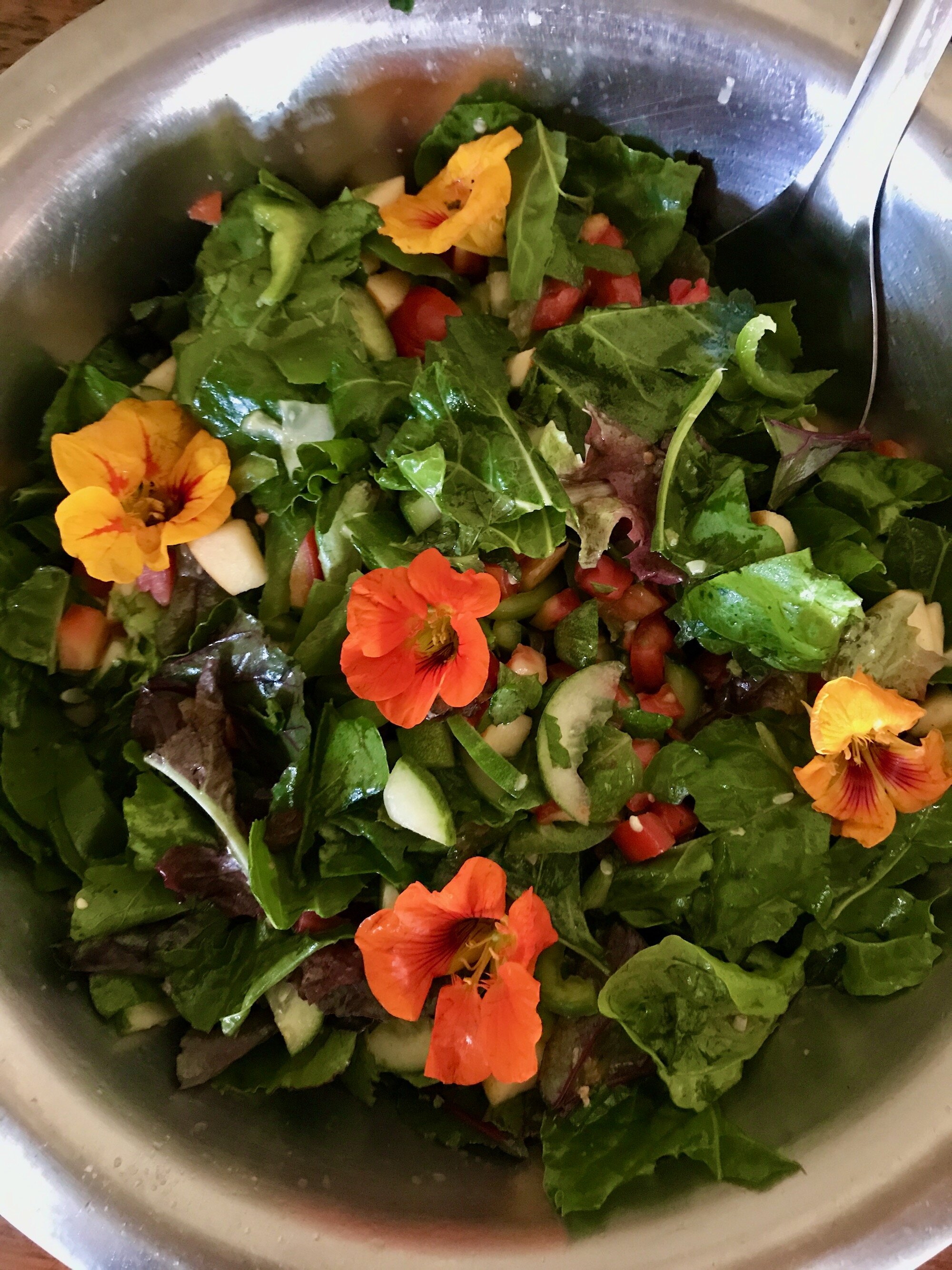
Healthy food: Natural and mostly organic, purely vegetarian meals (100% plant-based, vegan). No junk food or packaged snacks, etc.
Digital detox: There will be no use of mobile phones or internet in communal areas from 9-5 or during evening sessions so that everyone stays focused on the group tasks, and present with one another — and with our own experience. For those who are normally glued to your phones, it may take some adjustment at first but soon you’ll be amazed how much better you feel engaging with nature and good work with good people rather than the screen.
Campus life and the experience of living in community

Most of our past long-term participants tell us that experience of being a part of the Dharmalaya community, living and working together, is one of the best parts of the experience for them.
We emphasize a culture of kindness and cooperation rather than selfishness and competition, and it’s great to live with kindred spirits in that kind of atmosphere.
Dharmalaya maintains an environment in which everyone is supported to learn and grow in this way, and this kind of learning truly changes lives for the better, because few lessons are more valuable than those that help us understand ourselves and others better and learn to relate with others more sensitively and skilfully.
So one thing to understand is that learning to be a healthy part of a healthy community is one of the most important aspects of all of our residential programmes — and of compassionate living more generally — so that kind of inner work and social evolution should be something that appeals to you strongly if you’re thinking of applying for this programme.
We’ll be spending a good bit of time talking about it and asking you to self-reflect, journal, and share with others about your experiences, which benefits everyone.
Schedules & dates
Start and end dates
The start date for the programme is to be confirmed, with the expectation of starting in early to mid-September.
The programme will begin at 10:00am.
All newly arriving participants will be required to arrive sometime between 9:30am and 9:45am on the first day (we will provide detailed timing, instructions, and travel tips after confirming your registration).
The programme will conclude at 3:30pm on the last day. Participants who are leaving after the programme should plan to depart between 3:45pm and 4:30pm.
Participants who complete this programme successfully may apply to remain longer as a volunteer (with reduced fees starting after the end of the fourth month - see below for details). Or can apply to be part of the Dharmalaya Permaculture Internship programme.
Daily schedule: What will the days be like?
Although the day-to-day schedule will vary a bit, the schedule for a typical day during this programme would more or less as follows:
6:00 Wake
6:30 Morning practice (meditation/yoga)
8:00 BREAKFAST
9:00 Outdoor work sessions (or learning activity)
12:30 LUNCH
1:30 Afternoon learning sessions (or outdoor work)
5:00 Personal time
6:00 DINNER
7:00 Evening sessions and/or learning/reflection time
9:30 Lights out, silent time until breakfast
About your instructors & facilitators
Robyn is a permaculture educator and soil agroecology coach. She spends her time between Australia and India, working with farmers and designing evolutionary experiences – offering opportunities for people to participate in a different way of being in the world.
She sees permaculture as a way to understand the natural systems and patterns that permeate life – to grow in our understanding of what is and how to work in harmony with it. Not only in how we care for the world around us, but as an approach to inner work and social cohesion. How we care for our soil and the ecosystem that we are part of, how we grow our food, how we clothe ourselves, how we build our shelter and nourish our community; these are all core to the health and wellbeing of ourselves and the earth to which we belong.
Robyn is on a journey of learning and discovery, and would like to walk with you on that path, sharing the insights and experiences we gain as we as travel together.
‘The choices that we make about how we meet our basic needs – for food, for shelter, for warmth and community – fundamentally affect our capacity for health, vitality and happiness. And this is not just for ourselves, but for our communities, our gardens and the animals in our care, and for the ecosystem of the whole planet. Taking responsibility for meeting our own needs, in line with the permaculture ethics of earth care, people care and fair share, is incredibly empowering and hopeful. It connects us back to the earth and all beings who share it with us.’

Robyn Hewson
Guest instructors: Dharmalaya cofounders
Mark and Mai-Linh, cofounders of Dharmalaya Institute, will offer periodic remote sessions.
Programme fee
Dharmalaya Institute is a not-for-profit charitable and educational organisation, and as such seeks to make its programmes accessible everyone. Recognizing that our participants come from diverse backgrounds, we are providing a sliding scale with three tiers, to make it possible for each participant to give according to their means.
Total fees for this five-week course (inclusive of shared accommodation, three healthy meals daily, and tea), at each of the three tiers are as follows:
Standard rate
(For most participants)
Rs 64,000
For transparency: This standard rate is essentially a break-even rate, just enough to cover the Institute’s total average monthly costs in providing this course.
Subsidized rate
(For low-income participants unable to pay the standard rate)
Rs 44,000
For transparency: This subsidized rate is approximately 33% below our break-even rate, which means it is not enough to cover the Institute’s costs in providing the programme, though that shortfall might be covered by participants who choose to pay the ‘Supporter rate’.
Supporter rate
(For those who can afford to help subsidize low-income participants)
Rs 79,500
For transparency: This supporter rate is approximately 33% above the break-even rate, and 100% of that surplus will be used to support lower-income applicants to participate at the subsidized rate. We thank you sincerely for your generosity in choosing this rate if you can.
We do not want cost to be a barrier to anyone’s participation, so if you have exceptional financial hardship and cannot afford even the lowest subsidized rate, you can contact us to let us know your situation and your needs.
Note that advance deposit of at least 50% is required to secure one’s place in the programme, and deposits are nonrefundable because the funds received before the program will be spent on food provisions and supplies well before the programme begins.
RECOMMENDED EXTENSION: STAY ON AFTER THE PROGRAMME ENDS TO DEEPEN YOUR LEARNING
For those who might wish to gain additional experience by staying on after the formal programme ends (subject to available space and acceptance of application), there would be an additional daily fee for each day after the course concludes, for which the sliding scale is as follows: Rs 1000/day standard rate; Rs 800/day subsidized rate; and Rs 1500/day supporter rate.
For those who stay as a volunteer beyond four months, there will be the opportunity for a reduced work-study rate of Rs 25,000 per month (including all meals and shared accommodation) beginning with your fifth month, in exchange for taking on a few responsibilities to help with the work of the Institute. And for those who stay six months or longer (or who have extraordinary financial hardship) will qualify to apply for work-study scholarships (subject to availability) to cover between 50% and 100% of the cost of your room and board.
Application process
The application process is designed to help identify applicants who are best matched with the programme.
STEP 1 — APPLY: Submit the application form below and wait for our reply. We may email you to ask follow-up questions if necessary.
STEP 2 — INTERVIEW: If your application is selected for the shortlist, the next step will be for us to schedule a time for an interview on a video call. During this interview, you’ll have the chance to ask whatever questions you might have, and we’ll have a chance to get to know you a bit better. If necessary, there might be a second video interview for final candidates.
STEP 3 — ACCEPTANCE & DEPOSIT: If you are selected for the programme after your video interview, then at that time we will send you more detailed information about the programme and how to prepare for your time at Dharmalaya Institute. You will then have one week from the date of acceptance to make your nonrefundable deposit to hold your place in the programme. The minimum deposit is 50%, but it is also possible to prepay in full.
If you have any questions after reading all the material here on our website, feel free to contact us and we’ll be happy to address your questions.
We look forward to connecting with you!